
What is Spinal Somatics?
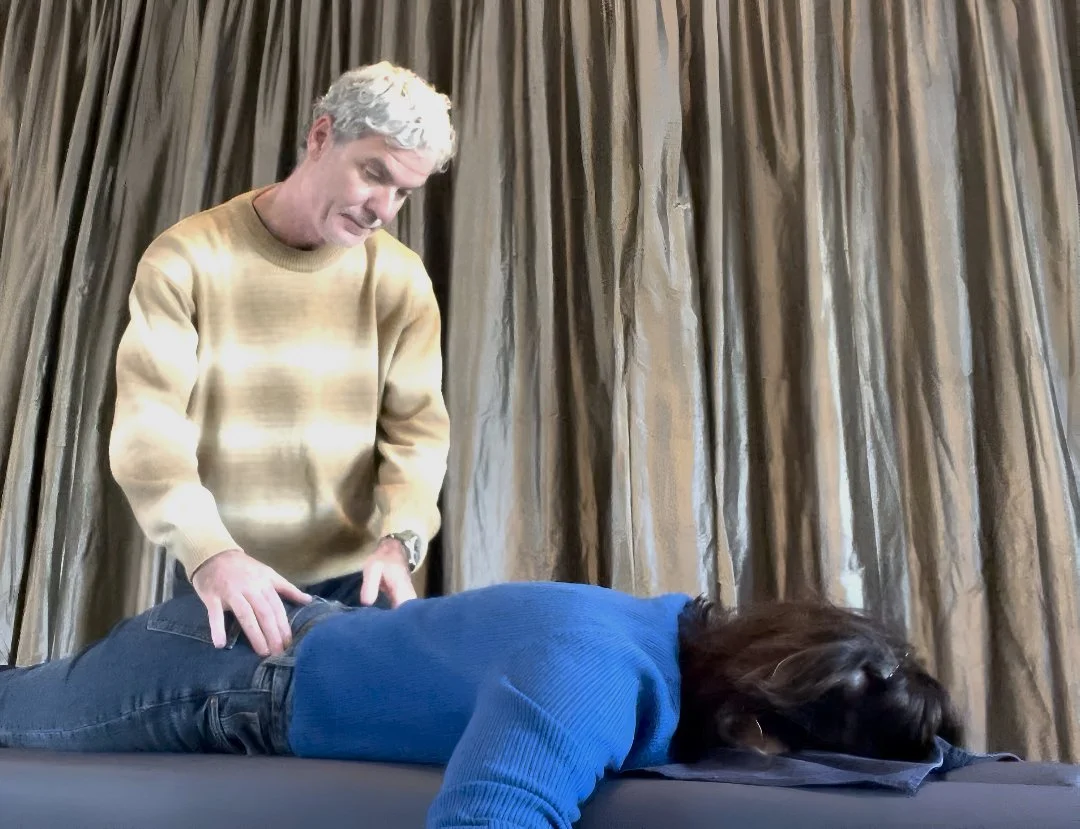
Spinal Somatics is a gentle, precise approach to chiropractic that uses quite light, brief contacts to work with the tension your nervous system is holding. It has been developed over the past two decades of my practice in Sydney, and is the main way we work at Spinal Somatics Lismore.
Chiropractic in Brief
Chiropractic is a hands-on health profession focused on the relationship between the spine, the musculoskeletal system and the nervous system. Registered chiropractors in Australia typically complete five years of full-time university study, including a master's degree. I completed my Masters of Chiropractic at Macquarie University in 2005.
A range of techniques
Chiropractors draw on many techniques. The most commonly known involve what are called 'manual' adjustments, which typically generate a 'crack', and we use these with some people.
Others methods, like Spinal Somatics, use only gently held or brief contacts to directly target how your nervous system is functioning (think of the balance between stressed, 'fight or flight', and unstressed). Most of the care we provide uses about the pressure you'd use to check if an avocado is ripe. Different approaches suit different people, and the right one depends on you.
About Spinal Somatics
Spinal Somatics is both an assessment approach and a set of low-force techniques, aimed at reducing the tension your nervous system and body are holding, particularly in and around your spine and pelvis.
That tension is often linked to stress: a key part of your stress response is to tighten up, ready for fight or flight. In our experience, many of the problems people see chiropractors, physios and osteopaths for come from holding these tensions for long periods, creating imbalance, until tissues become overworked and inflamed. Spinal Somatics aims to address both the symptoms and the underlying tensions that created them.
Working with your body’s nervous system
Spinal Somatics is designed to work directly with your body's stress response. We often describe it as sensory input rather than physical force. When your nervous system responds to this, we find the changes are long-lasting and build from session to session. That helps you avoid the same problems in future, as well as feel better, function better and get back to enjoying life.
The gentleness is popular with the people we see, but it's not the main reason we use Spinal Somatics.
This is: we find it works, and we love the changes we see.
0411 201 767
Who it suits
We regularly help adults, children and families. People see us for help with low back pain and sciatica, neck pain and headaches, sleep problems, high stress, and jaw and TMD issues. Parents bring their children for problems with settling, feeding, emotional regulation and the bumps and bruises of childhood, right through to HSC students dealing with school and adolescent pressures.
Because it's so gentle, it's especially good for people who are sensitive or who feel apprehensive about force being applied to their body. It also suits people under prolonged stress, which takes a toll physically and emotionally even at moderate levels.
What a session looks like
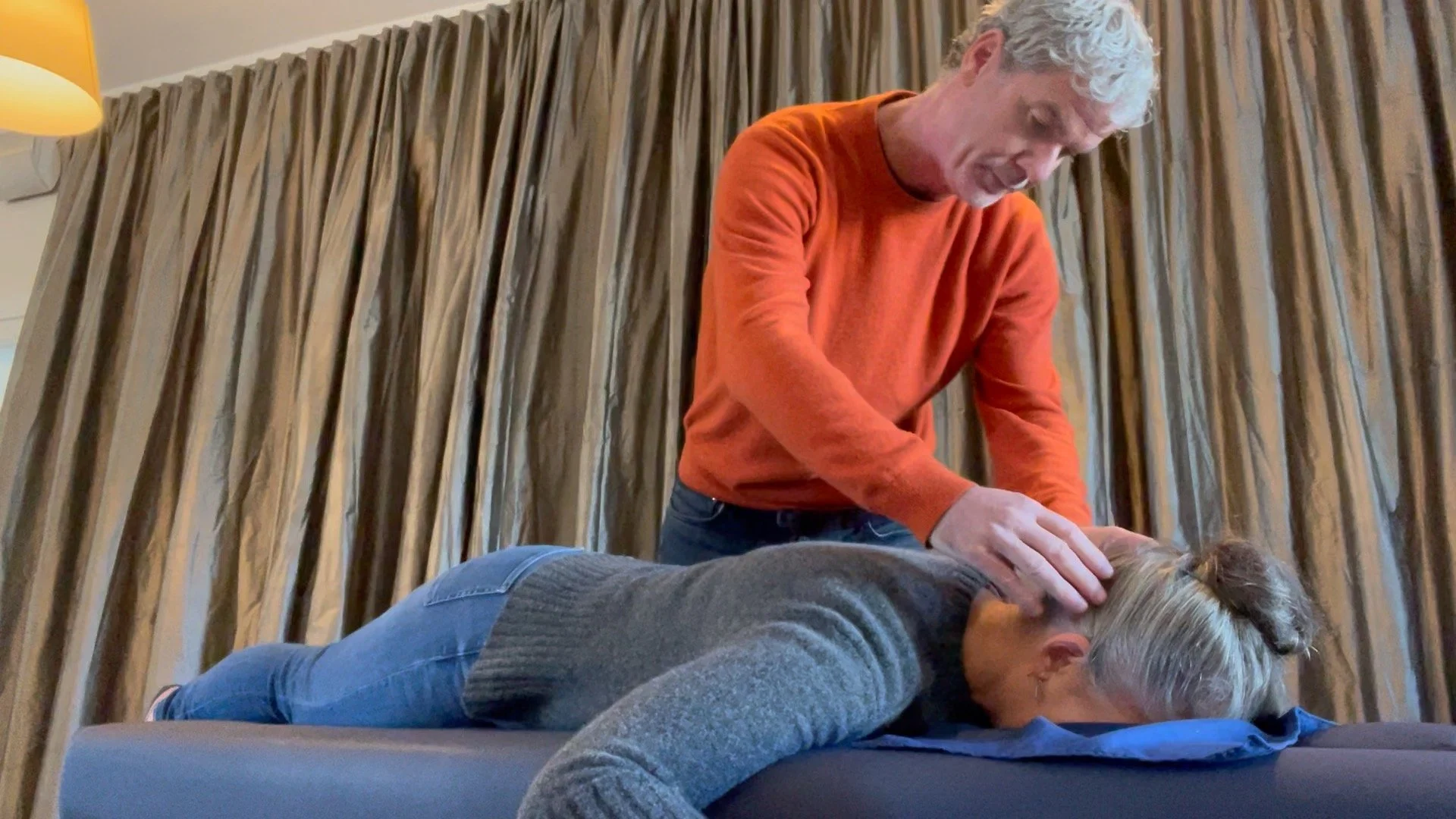
A Spinal Somatics session lasts around 15 minutes, though we keep working until the responses your nervous system is holding have resolved, so it can occasionally take a little longer.
You mostly lie face down and relax while we work with the tension held in and around your spine, paying particular attention to the relationship between your upper neck and pelvis, which have a high concentration of nervous system sensory input to your brain and body. Part of the session is done sitting up, because the reflexes that control posture behave differently upright than lying down. You stay fully clothed, so wear comfortable clothing.
It's common to feel your body relax, as if sinking into the table, to notice warmth or tingling, and for your breathing to slow or deepen. Some people don't feel much, and that's okay too.
How many visits will I need?
Everyone is different and the care we provide is tailored specifically to you. The number of visits you'll need depends largely on how severe and how chronic your problem is. Our first visit includes a thorough assessment and we'll be honest about what we think is best for you.
Frequency changes as you progress, and we'll talk it through with you at every stage.
How we track your progress
From visit to visit we check how you move, where you hold tension, how you breathe and how you're feeling day to day, plus any special tests your condition needs. We talk through what we find and what we recommend. We also do more detailed reassessments periodically so you know exactly how you're progressing.
How is this different from physio, osteopathy or massage?
All professions have a range of techniques available, and all can be excellent. The difference is mainly in focus. Physiotherapy often centres on strengthening and rehabilitation, osteopathy and massage often work directly on muscles and joints, while Spinal Somatics works directly with your nervous system. If someone else would serve you better, we'll say so.